





Blog
How to Prevent Falls in Older Adults at Home

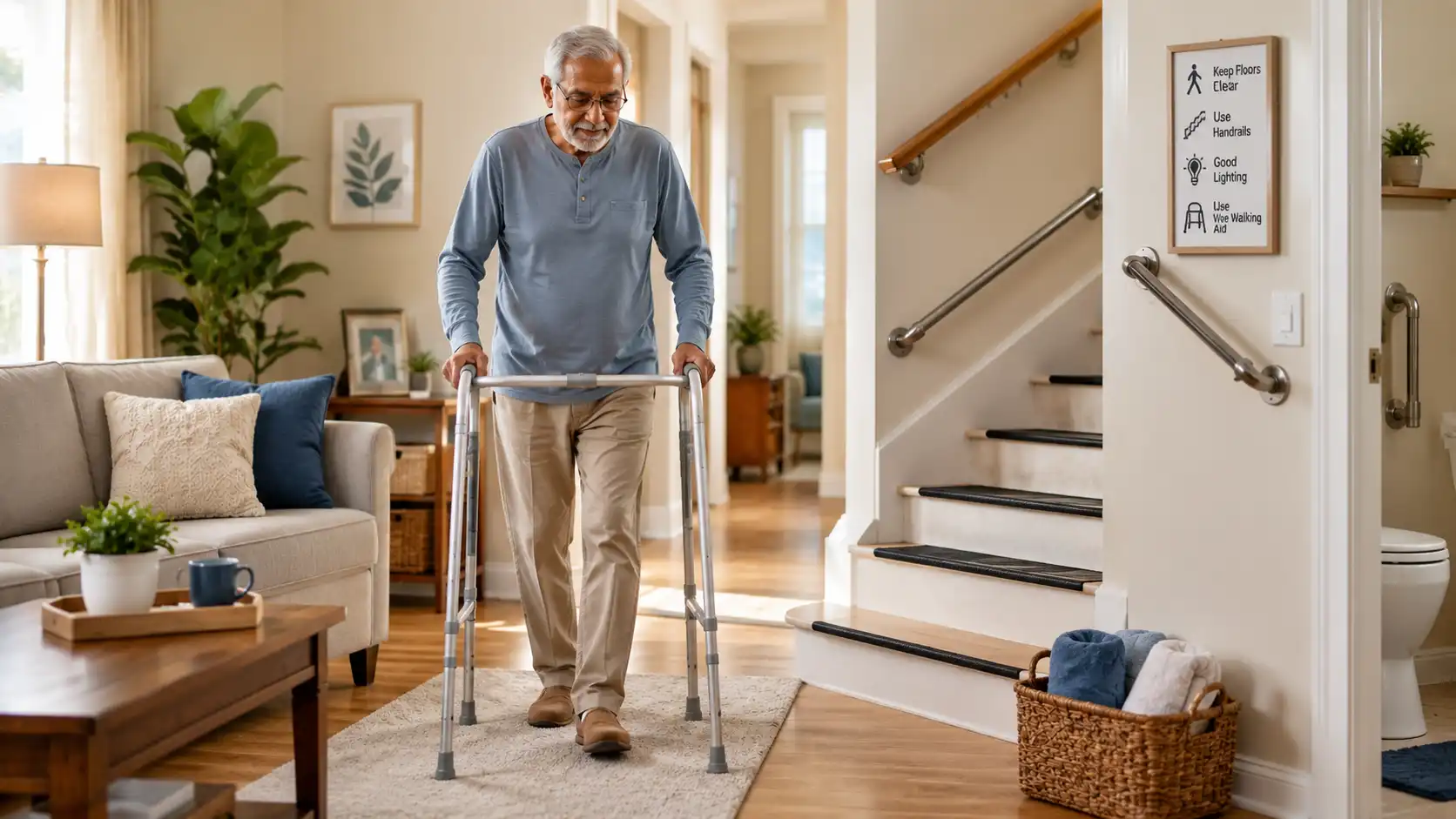
Falls are one of the most common causes of injuries among older adults. A simple slip at home can lead to fractures, long recovery periods, and a loss of confidence in daily activities. The good news is that most falls can be prevented by making a few practical changes and using the right mobility support when needed.
Whether you are caring for an elderly family member or looking to improve your own safety, these simple tips can help create a safer home environment while maintaining independence.
Why Fall Prevention Matters
As we age, balance, muscle strength, vision, and reaction time naturally decline. Health conditions such as arthritis, diabetes, or osteoporosis can also increase the risk of falling. Even small hazards like loose rugs or poor lighting can become dangerous.
Preventing falls is not only about avoiding injuries—it also helps seniors stay active, confident, and independent.
Keep Walkways Clear
One of the easiest ways to reduce fall risks is by removing obstacles from frequently used areas.
- Keep floors free from clutter.
- Remove loose electrical cords from walkways.
- Avoid placing small furniture in walking paths.
- Keep children’s toys and other objects off the floor.
- Arrange furniture to create wide, open walking spaces.
A clean and organized home makes movement safer for everyone.
Improve Home Lighting
Poor lighting makes it difficult to notice steps, furniture, or uneven flooring.
For better visibility:
- Install bright LED lighting throughout the home.
- Use night lights in bedrooms, hallways, and bathrooms.
- Keep light switches easy to reach.
- Open curtains during the day to allow natural sunlight inside.
Proper lighting significantly reduces the chance of accidental trips.
Install Safety Supports
Certain areas of the home require additional support, especially where slips are more likely.
Consider installing:
- Grab bars near toilets and showers.
- Handrails on both sides of staircases.
- Non-slip mats in bathrooms and kitchens.
- Shower chairs for added stability during bathing.
These simple additions provide extra confidence and security.
Choose the Right Walking Aid
Many seniors continue walking without support even when balance becomes difficult. Using the correct mobility aid can greatly improve stability and reduce the risk of falls.
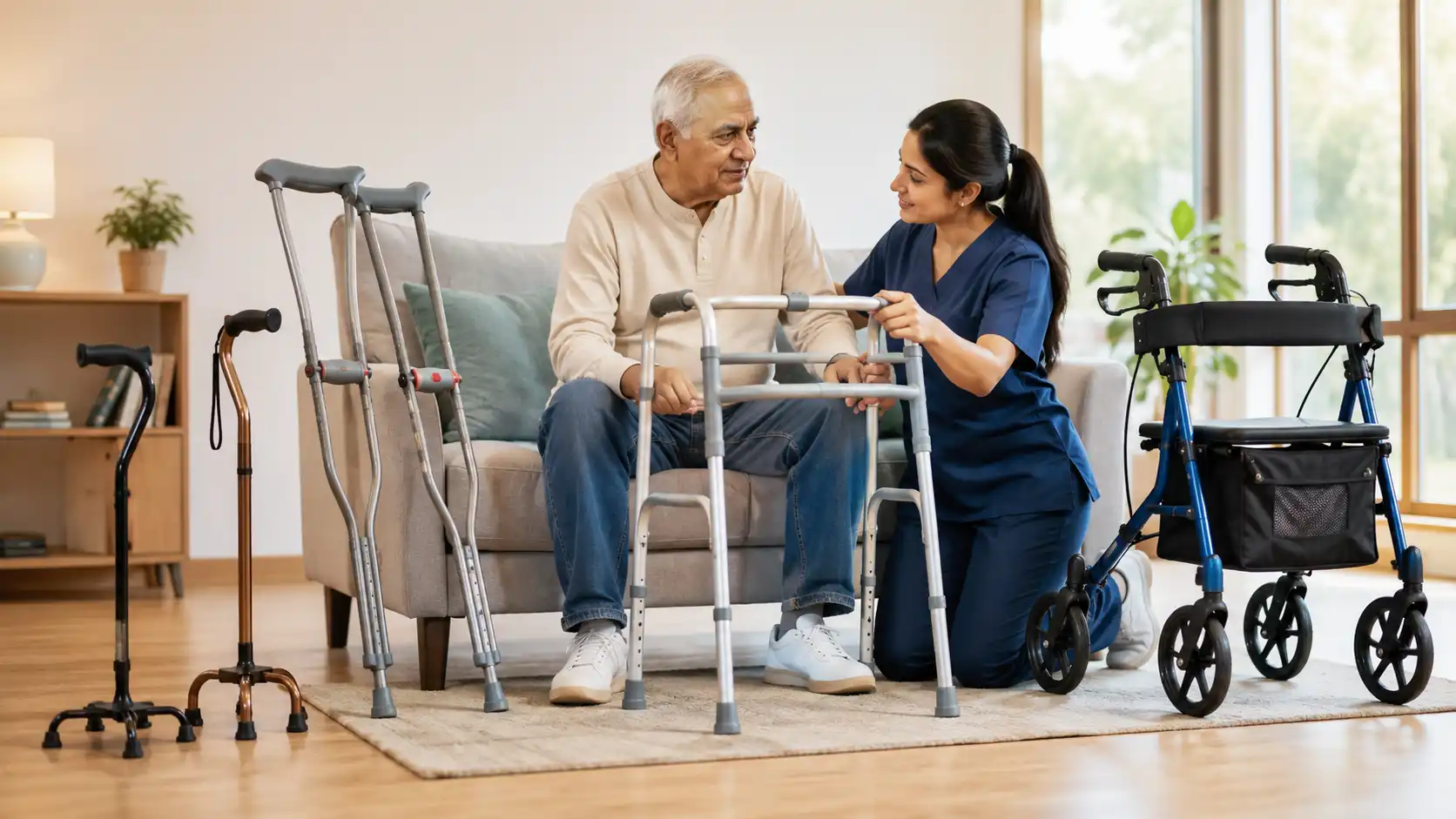
Depending on individual needs, options include:
- Walking canes for mild balance support.
- Quad canes for greater stability.
- Foldable walkers for everyday mobility.
- Rollators with seats for outdoor activities and longer walks.
Always choose a walking aid that matches the user’s strength, balance, and mobility level.
Wear Proper Footwear
Slippers and worn-out shoes are common causes of falls.
The safest footwear should:
- Have non-slip rubber soles.
- Fit comfortably without being too loose.
- Provide good arch support.
- Cover the entire foot.
Walking barefoot or wearing socks on smooth floors should be avoided whenever possible.
Stay Physically Active
Regular exercise helps maintain strength, flexibility, and balance.
Suitable activities include:
- Daily walking.
- Gentle stretching.
- Balance exercises.
- Chair exercises.
- Light strength training approved by a healthcare professional.
Even 20–30 minutes of movement each day can improve mobility and reduce fall risks.
Organize Frequently Used Items
Avoid unnecessary reaching or climbing.
Store everyday items:
- At waist or shoulder height.
- In easily accessible cabinets.
- Close to commonly used areas.
Using step stools or chairs to reach high shelves should be avoided whenever possible.
Make Bathrooms Safer
Bathrooms are among the highest-risk areas for falls because of wet and slippery surfaces.
Helpful safety improvements include:
- Non-slip bath mats.
- Raised toilet seats if needed.
- Grab bars beside the toilet and shower.
- Easy-to-reach toiletries.
- Keeping the floor dry after every use.
Small bathroom upgrades can prevent serious accidents.
Review Medications Regularly
Some medications may cause dizziness, drowsiness, or low blood pressure, increasing the chance of falling.
Older adults should:
- Review medications with their doctor regularly.
- Report any dizziness or balance problems.
- Never change medication without medical advice.
Managing medications carefully contributes to better overall safety.
Schedule Regular Vision and Hearing Checks
Poor eyesight or hearing can affect balance and make it harder to notice obstacles.
Routine eye and hearing examinations help detect issues early and ensure that glasses or hearing aids provide the correct support.
Keep Emergency Contacts Accessible
Even with precautions, accidents can still happen.
Keep emergency phone numbers:
- Near telephones.
- Saved on mobile phones.
- Easily accessible for caregivers and family members.
Medical alert systems can also provide added peace of mind for seniors living alone.
Encourage Safe Daily Habits
Simple routines can greatly reduce fall risks.
Encourage older adults to:
- Stand up slowly after sitting or lying down.
- Use handrails when climbing stairs.
- Avoid rushing.
- Ask for help when lifting heavy objects.
- Use mobility aids whenever necessary.
Building these habits creates a safer daily routine.
When to Consider Mobility Support Products
If an older adult frequently loses balance, feels unsteady, or avoids walking due to fear of falling, it may be time to consider supportive mobility equipment.
Products such as walking canes, quad canes, walkers, back supports, knee braces, and other orthopedic aids can improve confidence while helping seniors stay active and independent. Selecting quality products that fit the user’s needs makes everyday movement safer and more comfortable.
Final Thoughts
Preventing falls at home doesn’t require major renovations. Small improvements such as better lighting, clutter-free walkways, proper footwear, and the right mobility support can make a significant difference.
By creating a safer home environment and encouraging healthy daily habits, older adults can continue enjoying greater independence, confidence, and peace of mind. Taking preventive steps today can help avoid serious injuries tomorrow and support a healthier, more active lifestyle for years to come.