





Blog
How to Care for Elderly Patients at Home

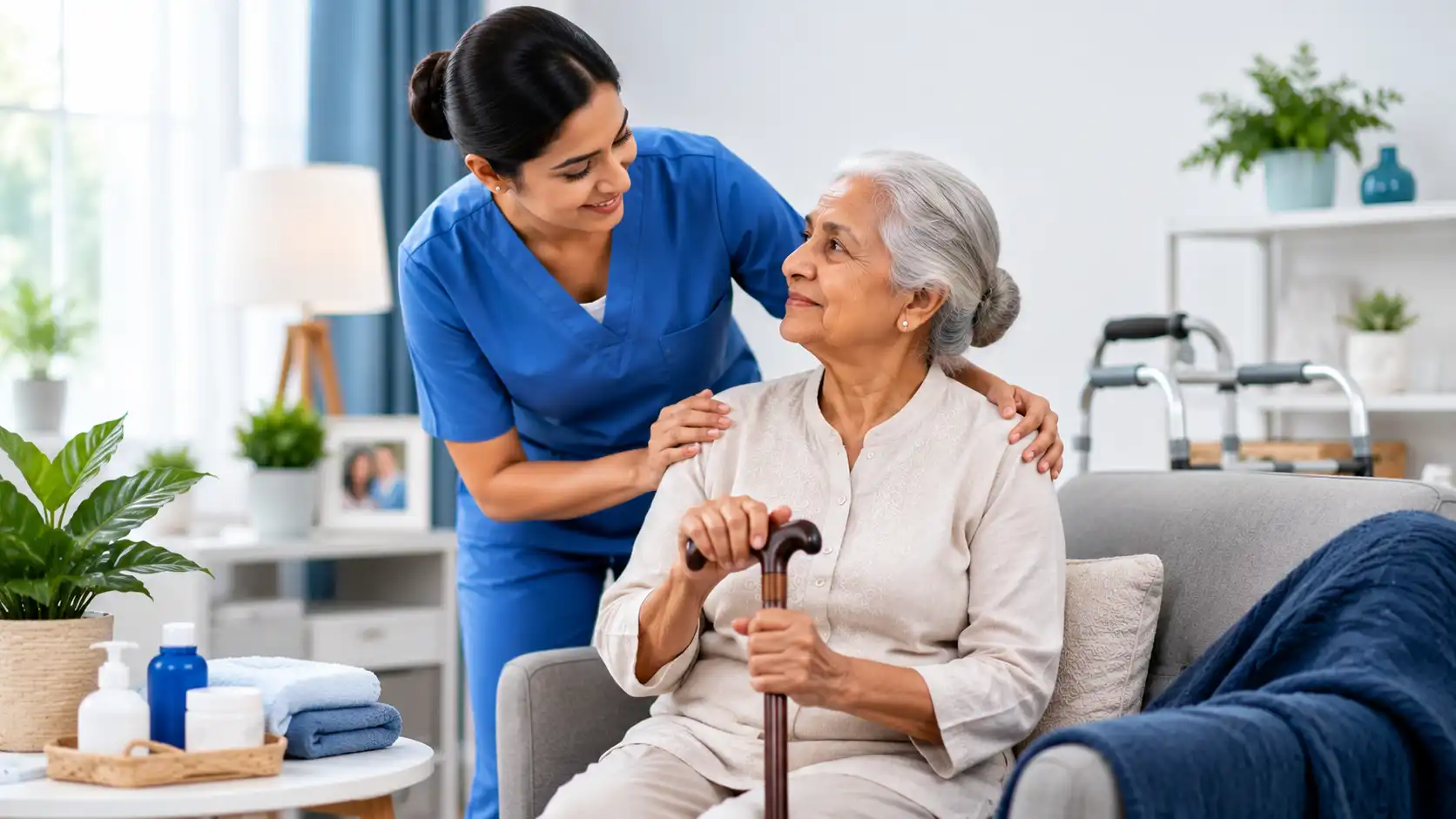
aring for an elderly family member at home is a rewarding responsibility, but it also requires patience, planning, and the right approach. As people age, they may need extra assistance with daily activities, mobility, personal hygiene, and overall health. Providing proper home care not only improves their quality of life but also helps them remain comfortable, safe, and independent for as long as possible.
Whether you’re caring for a parent, grandparent, or another loved one, understanding their daily needs can make a significant difference. With a few simple habits and the right support products, home care becomes easier for both caregivers and seniors.
Create a Safe Living Environment
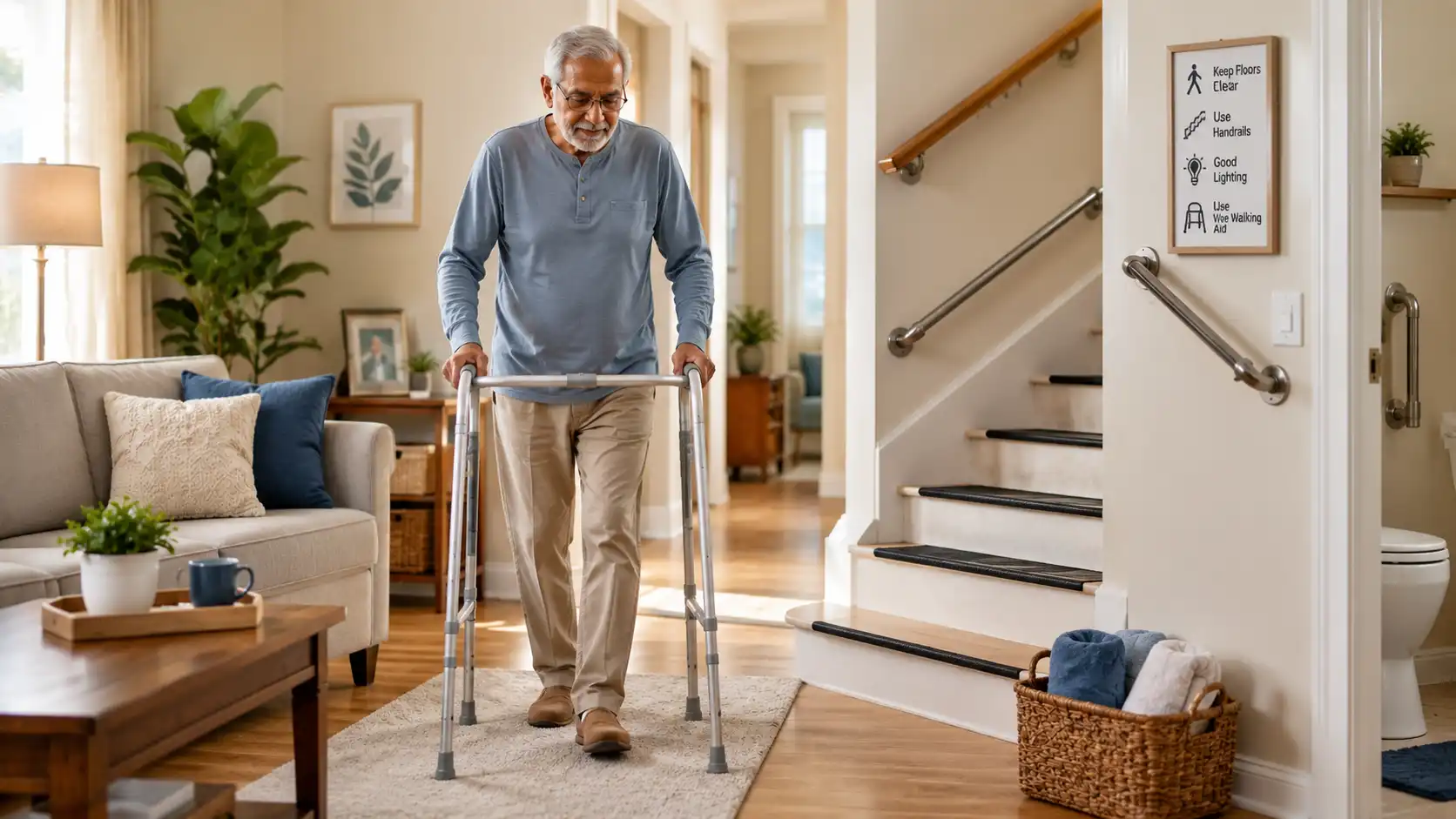
The first step in elderly care is making the home as safe as possible. Many injuries happen because of slips, trips, and falls that could easily be prevented.
Consider these simple safety improvements:
- Remove loose rugs and clutter from walkways.
- Keep frequently used items within easy reach.
- Install grab bars in bathrooms.
- Ensure staircases have sturdy handrails.
- Use non-slip mats in wet areas.
- Keep rooms and hallways well-lit.
A safe environment helps seniors move confidently and reduces the risk of accidents.
Encourage Daily Movement
Regular movement is important for maintaining strength, flexibility, and circulation. Even seniors with limited mobility should stay as active as possible.
Simple activities include:
- Short walks around the house.
- Gentle stretching exercises.
- Light chair exercises.
- Standing and walking with assistance when necessary.
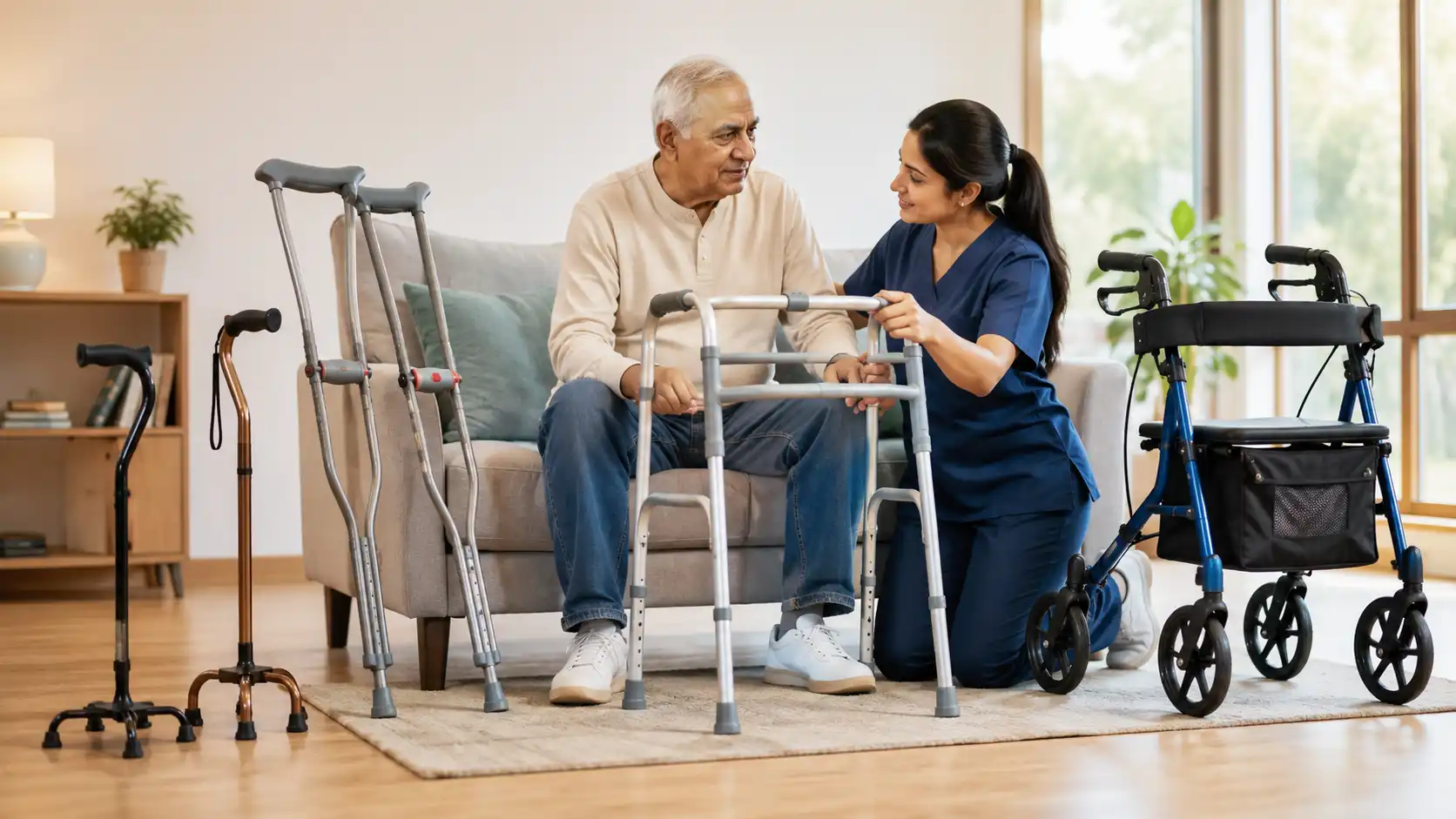
If walking becomes difficult, mobility aids such as walking canes, walkers, or quad canes can provide additional support and stability.
Provide Balanced Nutrition
Healthy eating plays a major role in maintaining strength and supporting recovery.
A balanced diet should include:
- Fresh fruits and vegetables.
- Lean protein such as chicken, fish, and eggs.
- Whole grains.
- Dairy products or calcium-rich foods.
- Plenty of water throughout the day.
Avoid excessive sugar, processed foods, and high-sodium meals whenever possible.
Help with Personal Hygiene
Good hygiene helps prevent infections while improving comfort and confidence.
Daily care may include:
- Bathing or shower assistance.
- Oral hygiene.
- Hair care.
- Nail trimming.
- Changing clean clothes regularly.
- Keeping bedding fresh and clean.
For individuals with limited mobility, disposable underpads and other hygiene products can make daily care much easier.
Support Comfortable Mobility
Many older adults experience joint pain, muscle weakness, or balance issues.
Helpful mobility products include:
- Walking canes.
- Foldable walkers.
- Quad canes.
- Elbow crutches.
- Knee braces.
- Ankle supports.
- Back support belts.
Using the right support products helps reduce strain while encouraging independent movement.
Manage Medications Properly
Many seniors take multiple medications every day.
To stay organized:
- Follow the doctor’s instructions carefully.
- Use a weekly pill organizer.
- Set medication reminders.
- Keep an updated medication list.
- Never skip or double doses.
Proper medication management helps prevent complications.
Encourage Mental and Emotional Well-Being
Good emotional health is just as important as physical health.
Spend quality time with elderly family members by:
- Having regular conversations.
- Encouraging hobbies.
- Reading books together.
- Watching favorite TV programs.
- Playing simple games.
- Inviting family and friends to visit.
Social interaction helps reduce loneliness and improves overall well-being.
Prioritize Comfortable Sleep
Quality sleep supports healing and overall health.
Help improve sleep by:
- Maintaining a regular bedtime.
- Keeping the bedroom quiet and comfortable.
- Avoiding caffeine late in the day.
- Using supportive pillows and mattresses.
- Limiting screen time before bedtime.
Better sleep leads to better physical and mental health.
Monitor Health Regularly
Routine health checks help identify problems before they become serious.
Watch for changes such as:
- Difficulty walking.
- Poor appetite.
- Sudden weight loss.
- Swelling.
- Shortness of breath.
- Confusion or memory changes.
- Skin irritation or pressure sores.
Consult a healthcare professional whenever unusual symptoms appear.
Practice Patience and Respect
Elderly individuals may move more slowly or need additional assistance with everyday tasks.
Always remember to:
- Speak calmly and respectfully.
- Allow extra time for activities.
- Encourage independence whenever possible.
- Listen carefully to their concerns.
- Offer help without making them feel dependent.
Kindness and patience can make everyday care much more comfortable.
Choose the Right Home Care Products
Using reliable home healthcare products can make caregiving easier while improving safety and comfort.
Depending on individual needs, helpful products may include:
- Walking aids.
- Orthopedic support braces.
- Patient walkers.
- Urine collection bags.
- Disposable underpads.
- Medical gloves.
- Respiratory care products.
Choosing quality medical support products allows seniors to remain active and comfortable while giving caregivers greater confidence.
Final Thoughts
Caring for elderly patients at home is about more than meeting physical needs. It means creating a safe environment, encouraging healthy habits, supporting independence, and showing compassion every day.
Small improvements such as proper nutrition, regular movement, safe mobility, and the use of reliable healthcare products can greatly enhance an older adult’s quality of life. With patience, consistency, and the right care, seniors can continue living comfortably, safely, and with dignity in their own homes.