






Blog
How to Care for Medical Support Braces

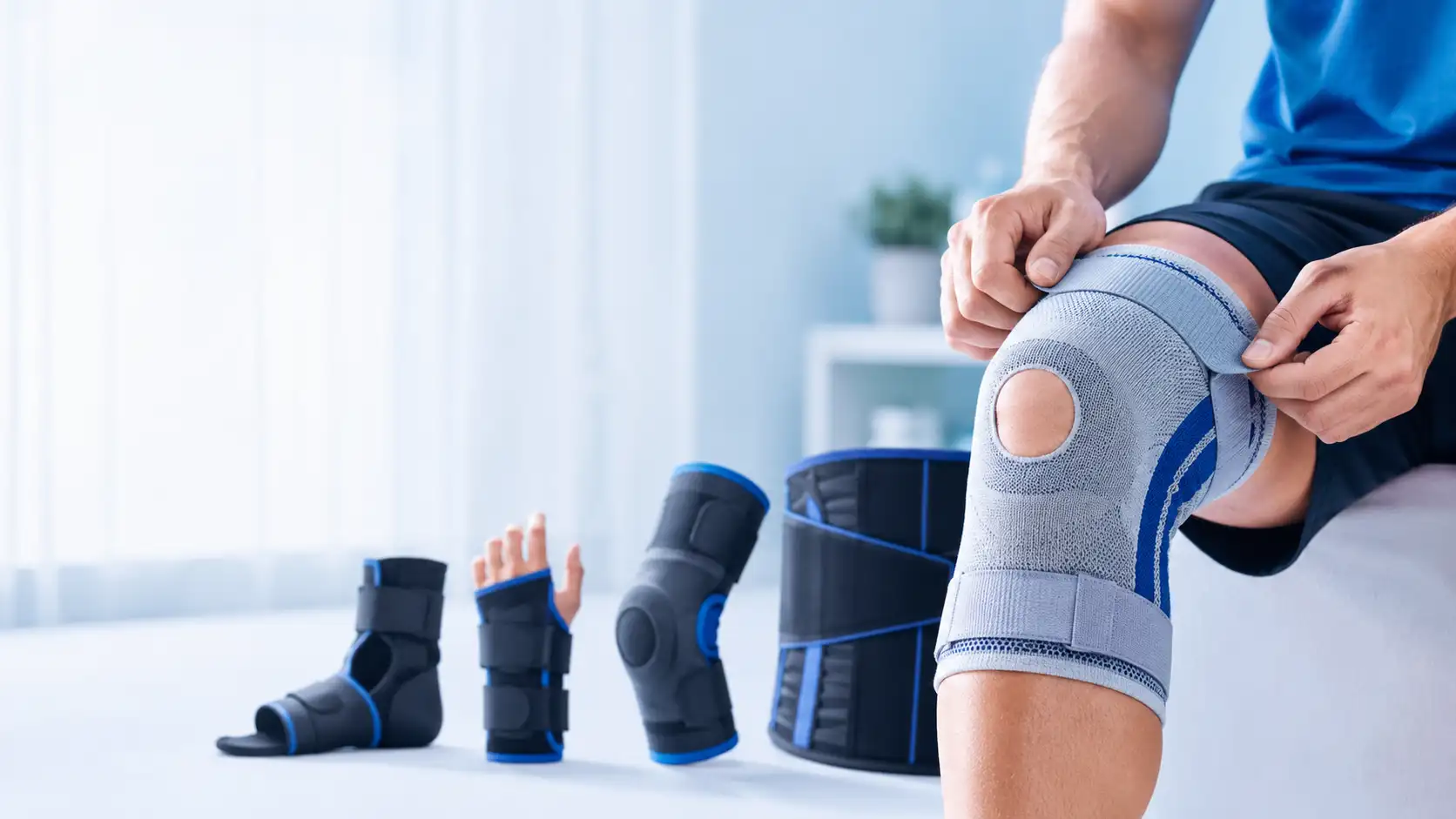
Medical support braces play an important role in improving mobility, reducing pain, and providing stability during daily activities. Whether you use a knee brace, ankle brace, wrist brace, back support belt, or elbow support, proper care is essential to maintain comfort, hygiene, and performance. Many people focus on wearing a brace correctly but overlook how to clean and maintain it, which can reduce its effectiveness over time.
In this guide, you’ll learn the best practices for caring for medical support braces, helping them stay clean, comfortable, and durable for everyday use.
Why Proper Brace Care Matters
A medical brace is worn directly against the skin for extended periods. Sweat, dust, and body oils naturally build up on the fabric, making regular maintenance essential. Proper care not only extends the life of your brace but also helps maintain hygiene and consistent support.
Benefits of maintaining your brace include:
- Improves product lifespan
- Keeps the brace fresh and odor-free
- Maintains proper compression and support
- Reduces skin irritation and discomfort
- Ensures reliable performance every day
Taking just a few minutes to care for your brace can make a noticeable difference in both comfort and durability.
Clean Your Brace Regularly
Regular cleaning helps prevent bacteria, unpleasant odors, and fabric damage. The cleaning frequency depends on how often you wear your brace, but daily users should clean it several times a week.
For the best results:
- Wash the brace with mild soap and lukewarm water.
- Gently clean all fabric surfaces by hand.
- Rinse thoroughly to remove any soap residue.
- Let the brace air dry naturally.
- Avoid using washing machines unless recommended by the manufacturer.
A clean brace feels more comfortable and continues providing reliable support throughout the day.
Avoid Harsh Cleaning Products
Strong detergents, bleach, and chemical cleaners may weaken elastic fibers and damage the materials used in medical braces.
Instead:
- Use gentle soap only.
- Never use bleach.
- Avoid alcohol-based cleaners.
- Do not use fabric softeners.
- Keep the brace away from harsh chemicals.
Gentle cleaning helps preserve both the appearance and performance of your support brace.
Let It Dry Naturally
Drying your brace properly is just as important as washing it.
After cleaning:
- Remove excess water by gently pressing the fabric.
- Do not twist or wring the brace.
- Lay it flat on a clean towel.
- Allow it to dry in a shaded, well-ventilated area.
Avoid placing your brace in direct sunlight or using a dryer, as excessive heat can damage elastic materials and reduce support.
Wear the Correct Size
Even the highest-quality medical brace cannot perform properly if it does not fit correctly.
A properly fitted brace should:
- Feel secure without being too tight.
- Stay in position during movement.
- Allow comfortable circulation.
- Provide consistent support.
If your brace slips frequently or feels uncomfortable, it may be time to adjust it or choose the correct size.
Inspect Your Brace Frequently
Routine inspection helps identify small issues before they become major problems.
Check your brace regularly for:
- Worn-out elastic
- Loose stitching
- Damaged straps
- Torn fabric
- Reduced compression
Replacing a damaged brace at the right time ensures you continue receiving proper support and protection.
Store Your Brace Properly
Proper storage keeps your brace clean and ready for daily use.
When not in use:
- Store it in a cool, dry place.
- Keep it away from moisture.
- Avoid placing heavy items on top.
- Keep it away from direct sunlight.
- Store it only after it has completely dried.
Simple storage habits can significantly extend the life of your brace.
Avoid Common Mistakes
Many users unintentionally shorten the lifespan of their braces by making a few common mistakes.
Try to avoid:
- Wearing a wet brace.
- Using bleach or harsh detergents.
- Drying with high heat.
- Ignoring damaged straps or worn fabric.
- Folding braces tightly for long periods.
- Wearing a brace that no longer fits properly.
Avoiding these mistakes helps maintain both comfort and effectiveness.
When Should You Replace Your Medical Brace?
Medical support braces are designed for long-term use, but they do not last forever.
You should consider replacing your brace if:
- It has lost its compression.
- The fabric has become worn or torn.
- Straps no longer fasten securely.
- It causes discomfort instead of support.
- It no longer stays in the correct position.
Using a worn-out brace may reduce the support your body needs during daily activities or recovery.
Choosing a Quality Medical Support Brace
A well-made brace provides better comfort, durability, and long-term performance. When choosing one, look for features such as:
- Breathable materials
- Adjustable straps
- Lightweight construction
- Comfortable fit
- Durable stitching
- Reliable compression
- High-quality support
Investing in a quality brace often results in better comfort and a longer product lifespan.
Final Thoughts
Knowing how to care for medical support braces is just as important as choosing the right one. Regular cleaning, proper storage, routine inspection, and correct usage help your brace deliver dependable support while keeping it comfortable and hygienic. With a few simple maintenance habits, you can extend the life of your brace and enjoy better mobility, stability, and confidence every day.
Whether you use a knee brace, ankle brace, wrist support, elbow support, or back support belt, proper care ensures your medical support brace continues performing at its best whenever you need it.